Managing diabetes and dental issues: Ensuring optimal dental health.
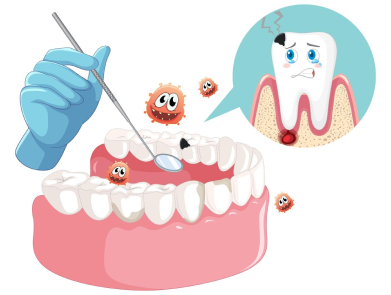
Carbonated beverages are a popular choice for refreshment, but their impact on dental health often goes unnoticed. In this comprehensive blog, we’ll uncover the hidden risks associated with consuming these fizzy drinks and explore how they affect your teeth and gums.
Erosion of Tooth Enamel
The high acidity levels in carbonated drinks can gradually erode the protective enamel layer of your teeth, leading to sensitivity, discoloration, and an increased risk of decay.
Increased Risk of Cavities
Sugary carbonated beverages provide an ideal environment for bacteria to thrive, leading to the formation of plaque and an elevated risk of cavities.
Tooth Sensitivity
Eroded enamel can cause tooth sensitivity, making it uncomfortable to consume hot, cold, sweet, or acidic foods and beverages.
Enamel Discoloration
Carbonated drinks, particularly those with artificial colorants, can stain and discolor tooth enamel over time, affecting the appearance of your smile.
- Limit Consumption: Reduce your intake of carbonated beverages and opt for water or other low-acidity drinks whenever possible.
- Drinking through a straw can minimize direct contact between the beverage and your teeth, reducing the risk of enamel erosion.
- After consuming a carbonated beverage, rinse your mouth with water to help neutralize acids and wash away residual sugars.
- Brush your teeth twice a day with fluoride toothpaste and floss daily to remove plaque and protect tooth enamel.
- Schedule routine dental check-ups to monitor your oral health and address any concerns promptly.
While carbonated beverages may provide temporary refreshment, their long-term effects on dental health can be significant. By understanding the risks and implementing preventive measures, you can safeguard your teeth and gums against the detrimental effects of these fizzy drinks. Remember, making informed choices about your beverage consumption is essential for maintaining a healthy and radiant smile.
Related Insights
Explore the latest insights and trends in the field of dentistry.
The Benefits of Professional Teeth Whitening.
Let's explore the world of teeth whitening, the complete process, and discover the benefits of teeth whitening.
Read More
How Dental Implants Can Elevate Your Health and Confidence.
This is where dental implants work amazingly – a simple yet powerful way to bring back your healthy smile.
Read More